


18 Jun 2026 • Agro-Industry
Mauritius at GreenTech Amsterdam 2026: Exploring Agri-Tech Innovation and Collaboration Pathways
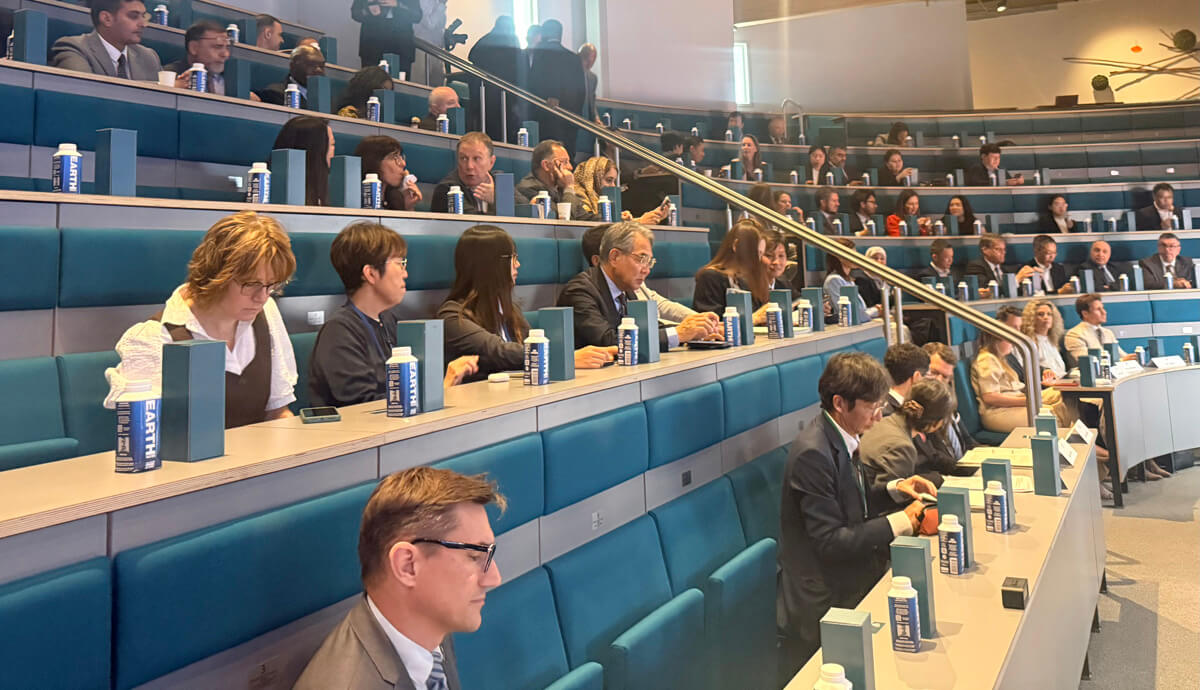
The Economic Development Board (EDB) participated in GreenTech Amsterdam 2026, held from 9 to 11 June at RAI Amsterdam, one of the world’s leading horticultural innovation platforms. The event brought together growers, breeders, investors, technology providers, and researchers, creating a strong platform for exchange and collaboration. With 11,600 visitors from 123 countries, the 2026 edition was anchored around the theme “PURE connection”, reflected in continuous interaction among participants.
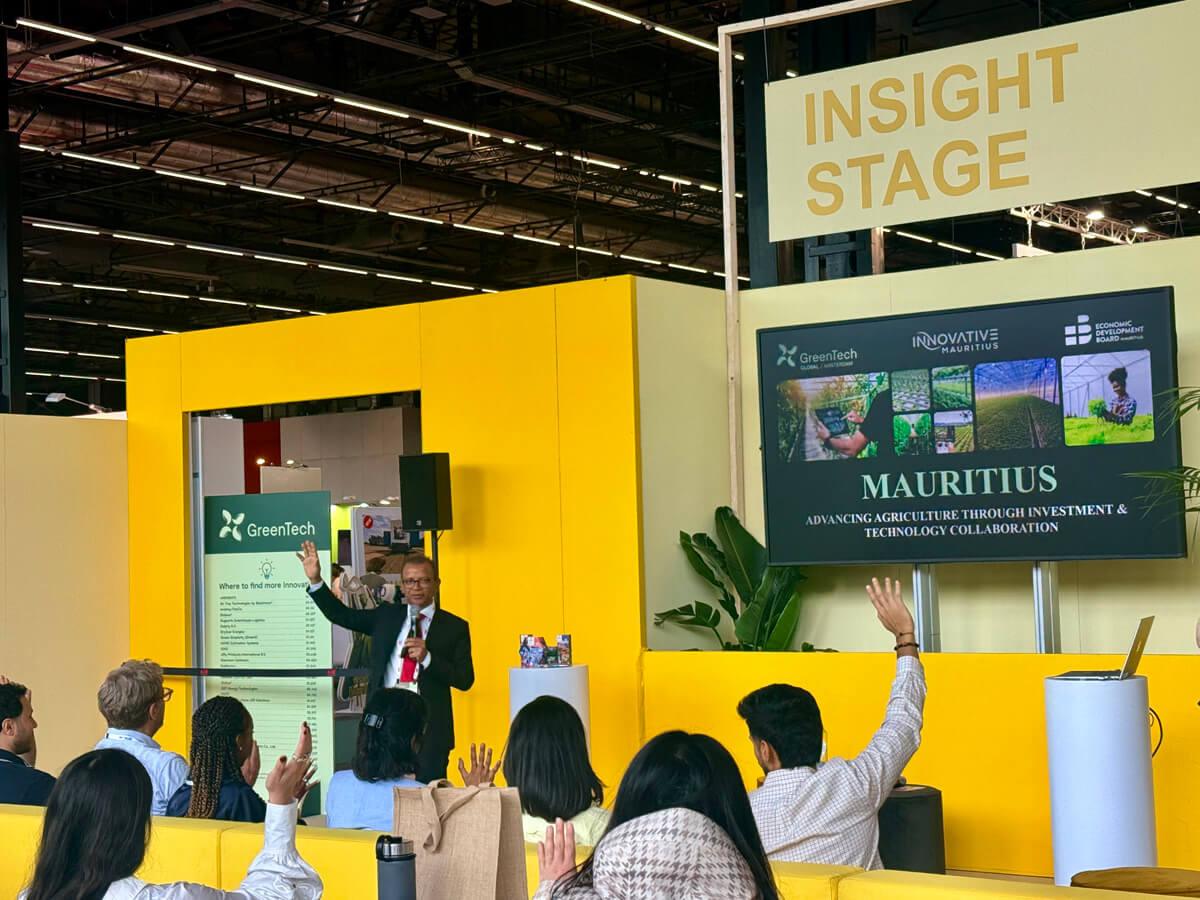
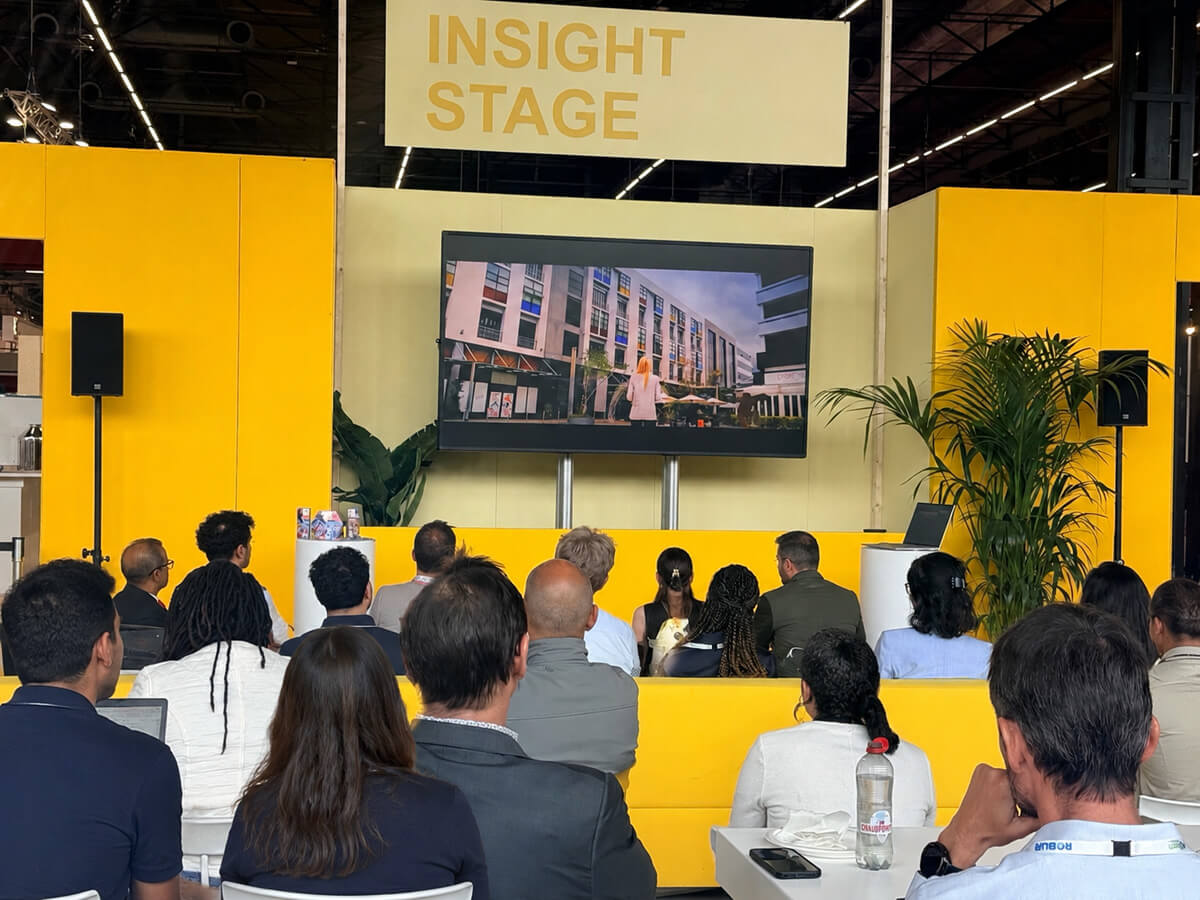
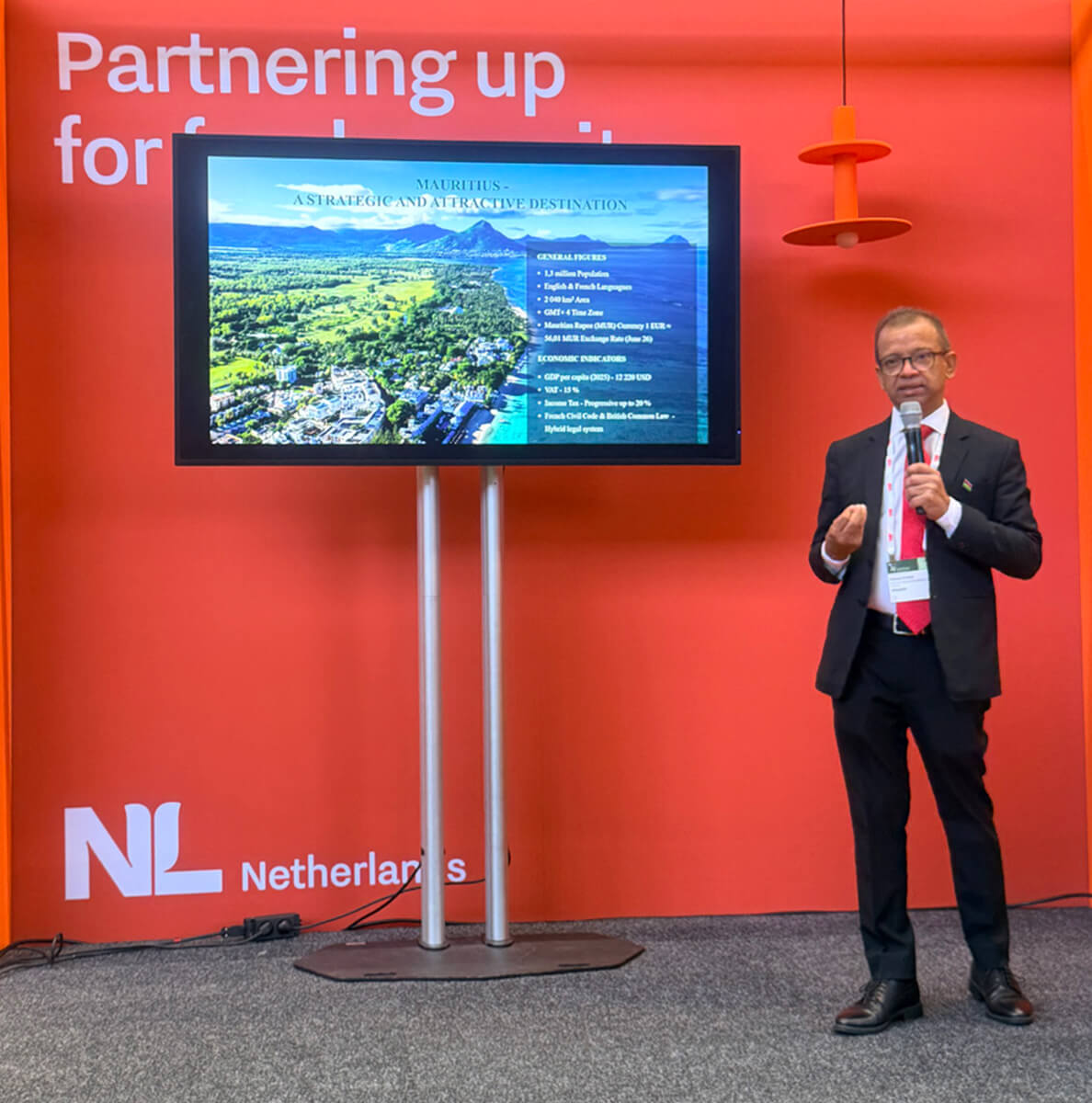
Mauritius’s participation was particularly significant as the country continues to explore how emerging agri-tech solutions can be adapted to the local context and integrated through collaboration with international partners. The EDB was also given three speaking opportunities, including sessions at the NL Lounge and Insight Stage, providing a platform to share perspectives on agricultural transformation, with a focus on strengthening food security and resilience. The mission was also enriching for participating companies, offering exposure to advanced technologies, innovative production systems, and global best practices, while enabling direct engagement with potential partners and solution providers. It also reinforced the importance of strengthening linkages with technology partners to support knowledge exchange and the deployment of locally adapted, scalable solutions.
Mr Fabien de Marassé Enouf, Chief Executive Officer of Alteo Ltd, stated that:
“What we observed in the Netherlands is a well-developed horticultural ecosystem that has evolved over decades through collaboration among growers, research institutions, technology providers and government. While Mauritius operates on a different scale, important elements of this ecosystem could be adapted locally. One example is the use of beneficial insects and pollinators in greenhouse production. These organisms play a critical role in pest management and crop pollination, helping to significantly reduce reliance on chemical pesticides while improving yields, crop quality and production consistency.”
Commenting further, Mr Arnaud D’Unienville, Chief Executive of Alteo Agri Ltd, added that:
“Although such biological solutions are widely used internationally, they are not yet widely adopted or readily accessible to many Mauritian growers. Developing an enabling regulatory framework and strengthening local expertise in biological control would facilitate effective pest management in greenhouses, thereby supporting the adoption of modern greenhouse technologies and enhancing the resilience of the horticulture sector. As Mauritius seeks to strengthen food security and modernise agriculture, these are practical innovations that merit serious consideration.”
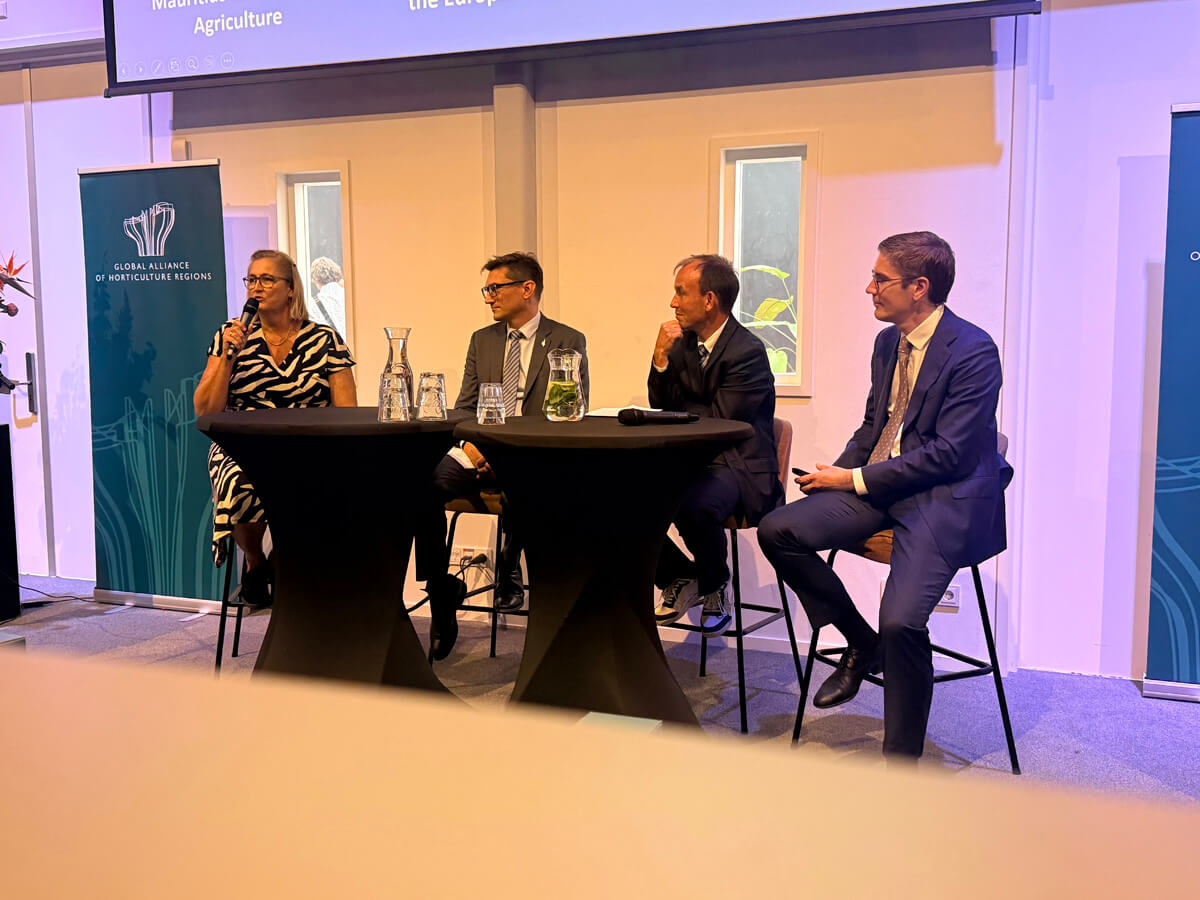
Another major highlight was the official launch of the Global Alliance of Horticulture Regions, a new international initiative aimed at strengthening cooperation between leading horticultural regions worldwide. The alliance seeks to facilitate structured knowledge sharing, joint innovation, and collaborative responses in identifying solutions to global challenges such as climate change, labour shortages, and food system resilience.
As part of the programme, the Secretary-General of the Mauritius Chamber of Agriculture, Mrs Jacqueline Sauzier, participated in a panel discussion, which focused on the involvement of national, regional, and local entities from four continents. During the discussion, she noted:
“One of the key observations from the discussions was that many of the challenges facing agriculture today are shared across countries and regions. Issues related to labour availability, water management, energy costs and climate resilience were common themes throughout the exchanges. This highlighted that collaboration is important, as while each country operates in a different context, there is significant value in learning from one another’s experiences. For Mauritius, these opportunities for collaboration and knowledge exchange are particularly important as we continue to explore practical solutions that can strengthen the resilience and sustainability of our agricultural sector.”
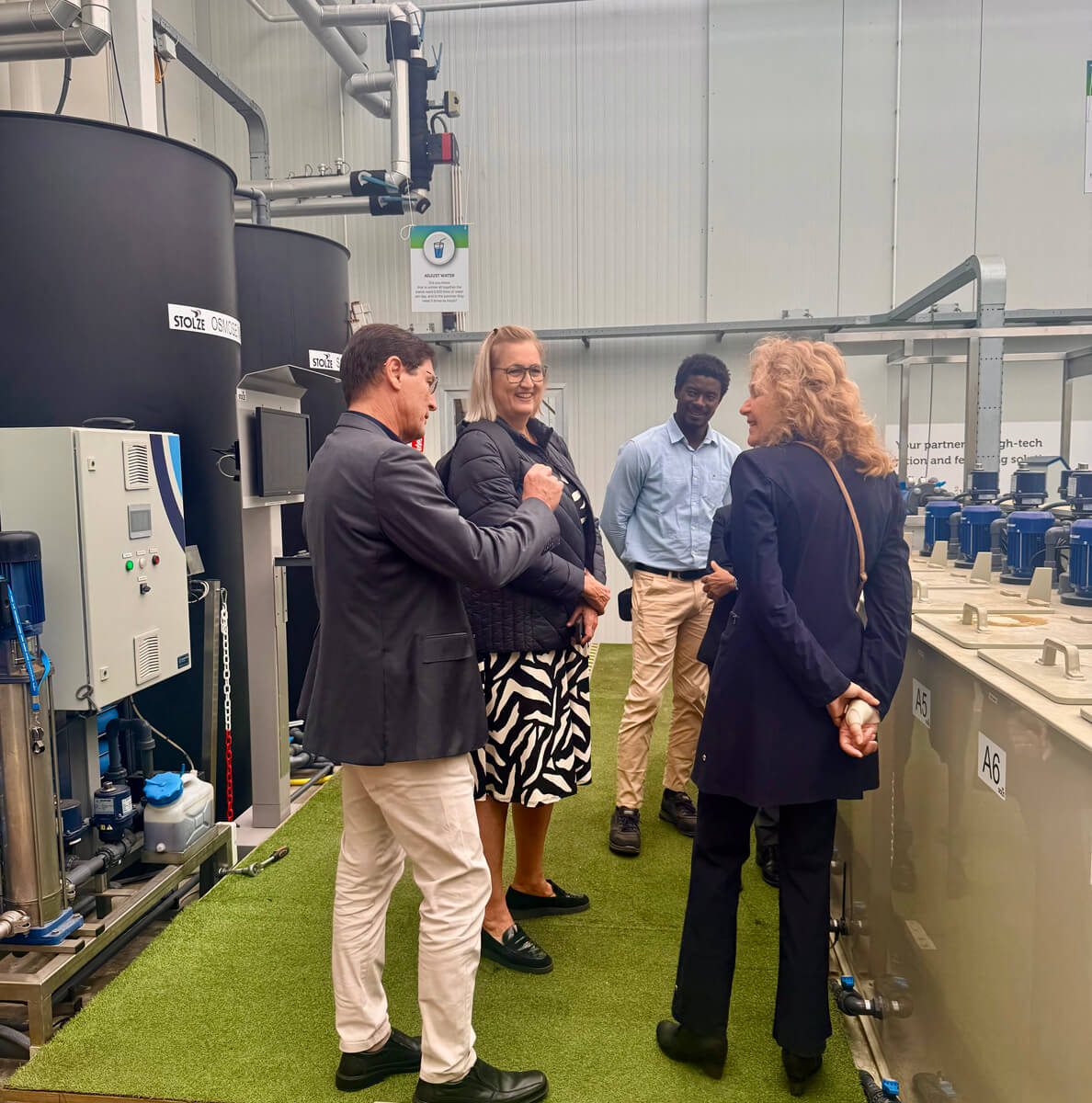
A site visit was also organised at the World Horti Center and Tomato World Center, which provided operators with the opportunity to experience the latest innovations and technologies in horticulture, including advanced greenhouse systems, smart farming solutions, and renewable energy applications supporting sustainable agricultural production. Overall, Mauritius’s participation in GreenTech Amsterdam 2026 reinforced the importance of global engagement in shaping the future of agriculture. The event demonstrated that while technologies continue to evolve rapidly, long-term success depends on collaboration, ecosystem development, and the ability to translate innovation into practical, scalable solutions adapted to local realities.
Share this article
Latest News
1
Invitation for Bids – Design & Implementation of Rule-based Work Permit Platform
25 Jun 2026 •Procurement
2
Vacancy – Post of Administrative Officer
12 Jun 2026 •Vacancy
3
Recrutement – Consultant Régional Europe
15 May 2026 •Vacancy
4
Vacancy – Post of Director Real Estate & Hospitality
15 May 2026 •Vacancy
5
Vacancy – Post of Director Financial Services
8 May 2026 •Vacancy


