Artificial Intelligence at the Heart of the Future of Agriculture

Mauritius is taking a significant step towards the future of agriculture through an innovative pilot project that combines Artificial Intelligence (AI), controlled environment agriculture and vertical farming. Developed by Groupe GMD SAS of Réunion Island in partnership with the Food and Agricultural Research and Extension Institute (FAREI), the initiative aims to enhance food security, improve resource efficiency and accelerate the adoption of smart farming technologies.

Launched under the 2024 FASEP (Fund for Studies and Support to the Private Sector) call for projects of the French Ministry of the Economy, the pilot project is currently in its early stages of development. Site preparation, earthworks and foundation construction are underway, with the demonstration facility scheduled to become operational in October. The facility will integrate Artificial Intelligence (AI), controlled environment agriculture and vertical farming technologies, serving as a centre for research, innovation and skills development. It will foster collaboration among farmers, researchers, technology providers and academic institutions, while accelerating the adoption of advanced AgriTech solutions across Mauritius.

Our objective is not simply to introduce new technologies, but to build local capacity. By working alongside FAREI, we hope to demonstrate practical solutions that can help strengthen Mauritius' agricultural resilience and food security.

AI-Driven Smart Farming

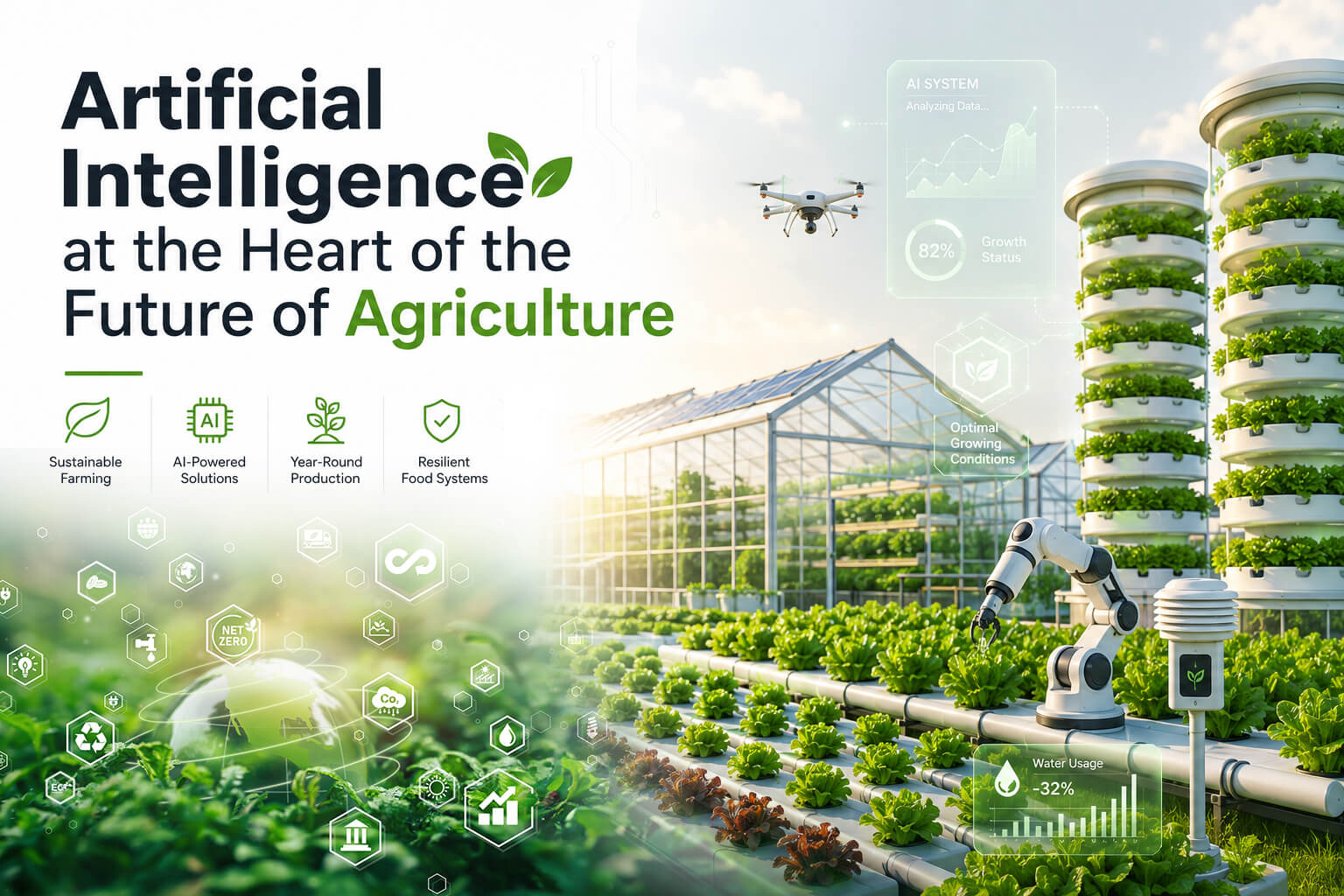
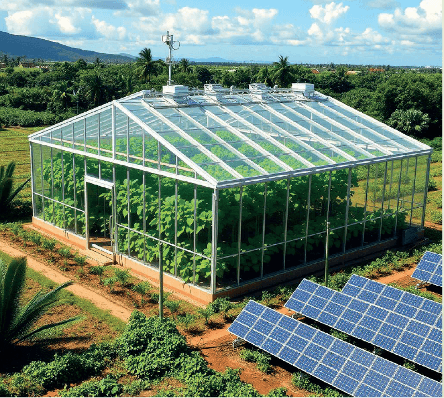
Agriculture is entering a new era. Climate change, growing pressure on natural resources and increasing concerns over food security are reshaping the sector. In response, digital technologies are transforming the way food is produced. Artificial Intelligence (AI), combined with controlled environment agriculture, smart greenhouses, vertical farming and soilless cultivation, is driving a new generation of farming. These technologies create optimal growing conditions throughout the year, regardless of external weather conditions, paving the way for a more productive, resilient and sustainable agricultural sector.

The true innovation lies not only in modern agricultural infrastructure but also in its ability to collect, analyse and act upon data.

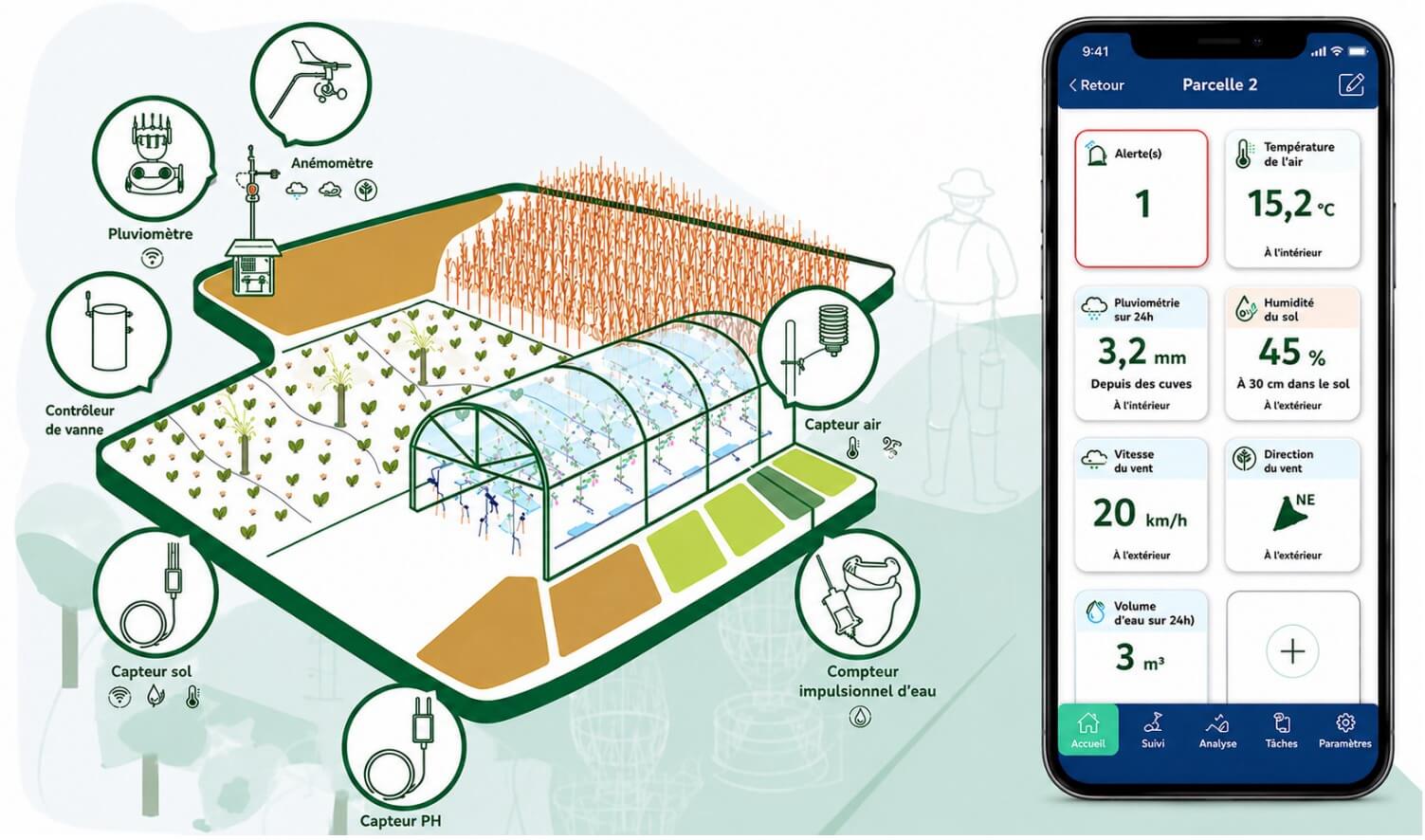
Within a smart farm, an extensive network of sensors continuously monitors environmental conditions such as temperature, humidity, soil moisture, pH levels and weather parameters. Artificial Intelligence processes this information in real time to support or automate decisions that optimise crop growth. The project illustrates how environmental sensors and automated control systems can work together to create an intelligent agricultural ecosystem.

AI-powered systems can:

  • Automatically adjust irrigation according to crop requirements;
  • Regulate greenhouse temperature, humidity and ventilation;
  • Optimise nutrient application through precision fertilisation;
  • Detect pests and plant diseases at an early stage;
  • Forecast yields and support harvest planning.

Rather than replacing farmers, AI enhances decision-making by providing accurate, data-driven insights that improve efficiency and reduce operational risks.

Transforming the Role of the Farmer

Artificial Intelligence is not intended to replace farmers or their expertise. Instead, it complements their knowledge by providing accurate, data-driven insights that enhance decision-making and support the transition towards precision agriculture. Guided by real-time data, farming interventions can be tailored to the specific needs of each crop, while automation reduces repetitive manual tasks, allowing farmers to focus on strategic farm management, productivity and innovation.

Boosting Productivity While Preserving Resources

The pilot project seeks to increase agricultural production, strengthen food security, conserve natural resources and encourage agricultural innovation. Artificial Intelligence plays a central role in achieving these objectives by improving the efficiency of every stage of the production process.

By optimising the use of water, energy and agricultural inputs, smart farming systems can significantly improve productivity while reducing environmental impact. At the same time, they contribute to a more stable and reliable food supply by reducing dependence on unpredictable climatic conditions.

Towards a New Generation of Farms

Beyond its agricultural benefits, the FASEP pilot farm represents an opportunity to position Mauritius as a regional leader in tropical smart agriculture, demonstrating how digital technologies can help build a smarter, more productive and more sustainable agricultural future.

Such an initiative could also stimulate the development of a vibrant agricultural technology ecosystem, creating new opportunities in data science, automation, robotics and sustainable food production.

The farms of tomorrow will be increasingly connected, intelligent and data driven. By integrating Artificial Intelligence with controlled environment agriculture, Mauritius could modernise its agricultural sector, enhance food security and strengthen its resilience to climate change.

edb-logo-white

EDB Monthly Newsletter

Your Monthly Pulse on Investment, Innovation & Growth.

edb-logo-white

Ground Floor, 7 Exchange Square
Wall Street, Ebene 72201,
Republic of Mauritius

© Copyright 2026 Economic Development Board. All Rights Reserved.

fr_FR