Request for Proposals – Recruitment of a Lead Consultant for Preparation of EDB Strategic Plan (2027-2030)
17 Août 2026
Maurice accueille les investissements et encourage les affaires. Reconnue mondialement comme un environnement sûr, stable et propice aux activités commerciales, Maurice est un excellent endroit pour investir, travailler, vivre et prendre sa retraite, avec des infrastructures tournées vers l'avenir, une connectivité mondiale et des talents de classe internationale.
Investissez dans un projet d'au moins 500 millions de roupies et bénéficiez d'incitations, de remises, d'exonérations et de taux préférentiels.
Profitez d’un accès préférentiel inégalé à 68 % de la population mondiale grâce à un vaste réseau d’accords de libre-échange.
Maurice, la plateforme idéale pour les affaires et l'investissement en Afrique
Opportunités de marché
Opportunités de marché Accords bilatéraux Réformes facilitant les affaires Outils d'analyse de marchéLe programme de résidence de Maurice permet aux ressortissants étrangers d'effectuer un investissement immobilier dans le pays et de demander un permis de résidence pour vivre, travailler et prendre leur retraite à Maurice.
Vivez et travaillez à distance depuis Maurice et profitez d'un long séjour ou prenez votre retraite dans un paradis tropical idyllique.
Profitez d’un accès préférentiel inégalé à 68 % de la population mondiale grâce à un vaste réseau d’accords de libre-échange.
Maurice, la plateforme idéale pour les affaires et l'investissement en Afrique
Autres liens utiles
Actualités Événements Communiqué de Presse Appels d’offres Témoignages Centre d'Information VacancyAs global investors seek stable, trusted and efficient platforms to structure their international investments amid heightened geopolitical uncertainty in the Middle East, Mauritius continues to stand out as a prime International Financial Centre (IFC) and hub for Africa. The jurisdiction is well positioned to tap into emerging opportunities linked to capital diversification, regional risk mitigation and the redeployment of investment flows toward resilient and neutral platforms.
In this perspective, the EDB hosted a webinar on 25 June 2026, themed The Certainty of Mauritius as a Neutral Bridge for Capital and Domiciliation, which brought together participants from the UAE, Kenya, Ghana, Qatar, Egypt, Morocco, Singapore, the United Kingdom and the United States.
Key stakeholders in Mauritius’ financial services industry, including Mauritius Bankers Association, Axis, Dentons, Afrasia Bank and SBM Holdings discussed on recent budget measures, investor migration, substance requirements, wealth planning, banking solutions, capital raising and emerging opportunities across key sectors.
The webinar highlighted that Mauritius is entering a new phase in the evolution of its IFC. While the jurisdiction has long been recognised for its stability, sound regulatory environment and extensive treaty network, the focus is now shifting towards substance, innovation and value creation.
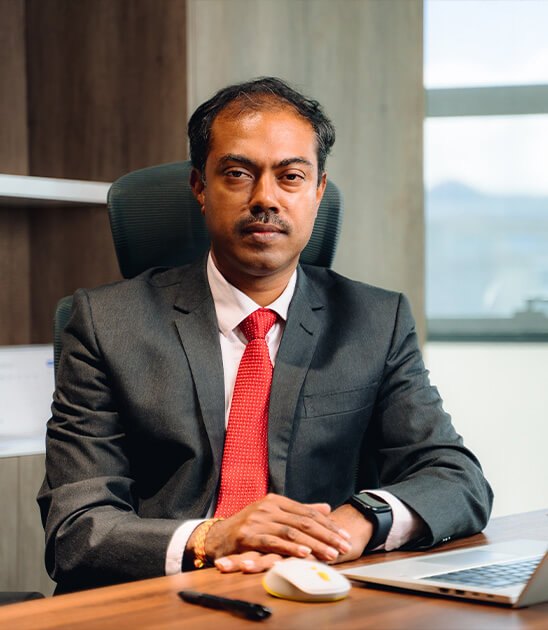
Opening the session, Mr. Sachin Mohabeer, Deputy CEO of EDB outlined how Mauritius is moving beyond its traditional role as a tax-efficient corporate route and has become “a fully compliant, Tier 1 jurisdiction of substance, now bridging global capital to the real economy across Africa and Asia.”
Mauritius’ latest policy direction, he added, is intended to transform the country “from a traditional financial corridor into a cross-border hub for high-value talent, technology start-ups and deep regional integration.” Among the measures highlighted were simplified occupation permit rules, a revised investor permit framework, a Golden Visa pathway to long-term residency, a proposed Business Facilitation Bill and the development of digital infrastructure such as the planned AI City in Cote d’Or and participation in strategic subsea connectivity initiatives.
Mauritius is no longer just an island jurisdiction. We are fully integrated, globally connected, futur

Moderating the panel, Mr. Daniel Essoo, Chief Executive Officer of the Mauritius Bankers Association, focused the discussion around Mauritius’ complementarity with other jurisdictions and its value as a safe, sound and practical investment base. He described the webinar as part of a series aimed at presenting “the features of Mauritius as a safe and sound investment jurisdiction.”

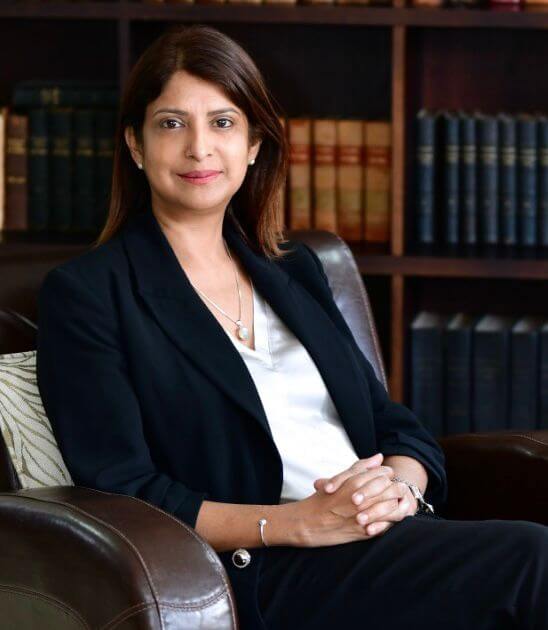
Mrs. Priscilla Balgobin-Bhoyrul, Senior Counsel and Senior Partner at Dentons, underscored Mauritius’ proposition has evolved from a gateway into Africa to a more substantive operating platform. Investors, she explained, are increasingly asking where they should base themselves to do business on the continent, and Mauritius offers reassurance through its hybrid legal system, regulatory framework and dispute resolution mechanisms.
“Mauritius offers rule of law, a stable democratic country and a legal system familiar to both common law and civil law investors.” She also highlighted the country’s Supreme Court, Commercial Court, its international arbitration mechanisms and the Privy Council as ultimate court of appeal.
For international families and entrepreneurs, Mauritius is also becoming attractive as a relocation and succession-planning jurisdiction. “We’ve entered into a new era,” she noted. “Traditionally, everyone came here to structure and invest somewhere else. Now there is such an increasing amount of interest in Mauritius itself.”

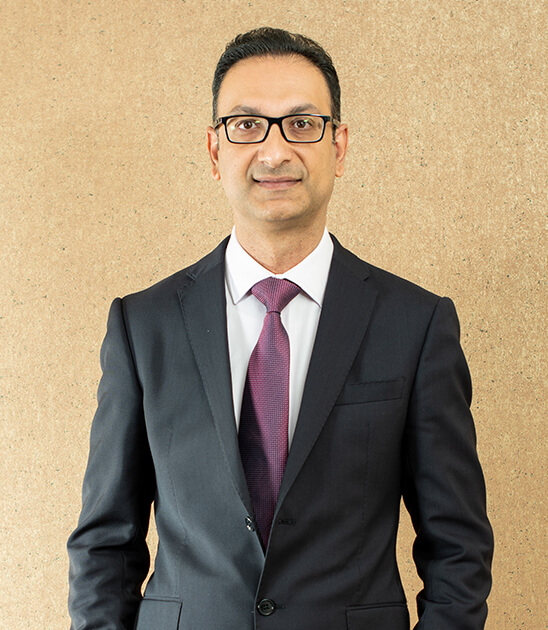
Mr. Assad Abdullatiff, Managing Director of Axis Fiduciary Ltd, highlighted that international families are increasingly focused on diversification, asset protection and succession planning across multiple jurisdictions. He observed that recent global and regional uncertainty has reinforced the question of whether wealth should be held, managed and transmitted from only one place.
“Wealth and succession planning should no longer be viewed through a single jurisdiction lens,” Mr. Abdullatiff stated. He emphasised that clients are increasingly segregating portfolios, with part of their wealth and investment holding arrangements structured from Mauritius.
On cross-border investment, he described a natural synergy between Middle Eastern capital and African opportunities. “The Middle East brings capital, entrepreneurship, connectivity and appetite to invest in growth markets, while Africa presents opportunities in infrastructure, energy, logistics, financial services, technology and real estate,” he said. In that context, he underscored, Mauritius can provide the structuring, governance and administration required to deploy capital effectively.
Mr. Abdullatiff highlighted trusts, private trust companies, foundations, family offices, investment holding companies, limited partnerships, protected cell companies and variable cell companies as part of the Mauritian toolkit. He stressed that these operate within a regulated framework supported by banks, law firms, fiduciary providers, accountants, tax advisers and wealth managers.
Responding to questions on compliance and substance, he affirmed that Mauritius combines regulation with practical business solutions. “There is no over-compliance,” he maintained. “We have a very good risk-based approach.” Substance, he explained, remains important, but requirements are proportionate and depend on the activity of the entity.

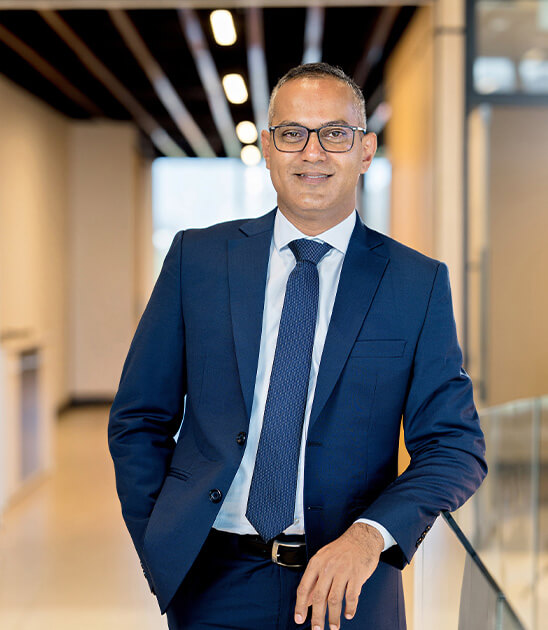
Mr. Navin Ramdoyal, Chief Commercial Officer of AfrAsia Bank, conveyed that investors using Mauritius to enter African markets are looking for more than standard banking products. They want banking partners that understand cross-border complexity, risk and the full investment journey. “What investors are looking for is a partner that not only provides standardised products but also understands how to navigate the complexity of cross-border investment and the risk of investing in Africa,” Mr. Ramdoyal said.
He added that banking needs range from account opening and multi-currency accounts to capital expenditure financing, working capital, trade finance, debt support, equity connectivity and more complex exit structures such as management buyouts and leveraged buyouts. Mauritius, he indicated, can support investors from the early stages of investment through growth, regional expansion and eventual liquidity events.
On private banking, Ramdoyal underlined that banks must support not only businesses but also the ultimate beneficial owners behind them. “Behind every business are people working to create value,” he reflected. “As you create value, there is a need for preserving that value and transferring legacy to the next generation.”
Private banking solutions, he added, include day-to-day banking, access to global markets, portfolio-based lending, Lombard financing and structured financing that allows investors to unlock liquidity without liquidating underlying assets.

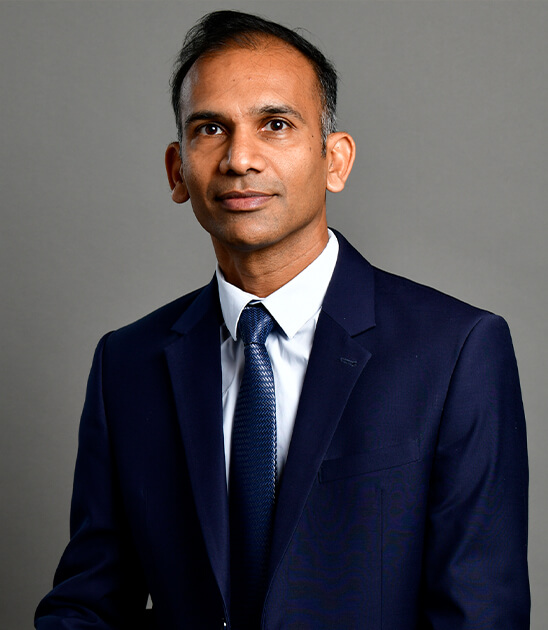
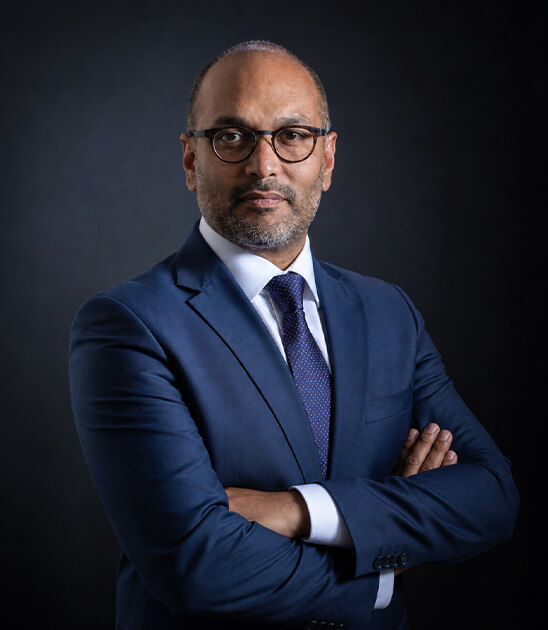
Mr. Shailen Sreekeessoon, Chief Executive Officer of SBM NBFC Holdings Limited, emphasised Mauritius’ financial services ecosystem now extends well beyond incorporation and banking. He drew attention to capital raising, advisory work, listings, guarantees, asset management and trading as increasingly important parts of the jurisdiction’s offer.
He referenced examples of African multinational companies raising capital through the Mauritian market and noted that guarantees can help overcome challenges around collateral in African transactions. Renewable energy, he identified, is one area where Mauritius can combine financing, advisory expertise and tested frameworks.
“We have to be inventive and innovative,” Mr. Sreekeessoon said, particularly where financing conditions require alternative structures. He also noted that Mauritius’ investment and trading services have evolved from mainly rupee-denominated products to global equities and international markets, with trading activity increasingly driven by global clients.
Looking ahead, Mr. Sreekeessoon envisaged Mauritius has an opportunity to become “Africa’s Financial Hub” by supporting family offices, infrastructure and energy funds, private equity, venture capital, wealth management and capital market solutions. He further identified renewable energy, higher education, healthcare, medical tourism, senior living, the ocean economy, technology and innovation as areas with strong potential.
“Technology and innovation touch all the different sectors,” he said. “They make the lives of people easier, ease the compliance ecosystem and enhance value addition in every sector.”

Concluding the webinar, participants agreed that Mauritius has evolved into far more than a traditional financial gateway. By combining regulatory excellence, international compliance, financial expertise and a collaborative ecosystem, the country is increasingly positioning itself as a trusted neutral platform for global capital, private wealth and cross-border investment.